Stress is a natural part of life. It may include work pressures, family issues, health issues, and financial problems. However, when stress builds up over time, it can negatively affect both mental and physical well-being. This is why stress management is so important.
Change Behavioral Health Services, LLC, integrates stress management into psychoeducation and counseling services. These programs help people recognize their feelings. We also teach useful coping strategies and support mental health.
Below, we’ll explore what stress management is, why it matters, and how it can enhance your daily life.
What Is Stress Management?
Stress management involves learning healthy ways to handle pressure. It doesn’t mean eliminating stress; some stress is normal and can even improve focus and alertness.
The goal is to reduce negative stress and develop emotional resilience by means of practical coping techniques, including:
- Identifying personal stress triggers
- Learning relaxation techniques
- Improving daily habits
- Discussing feelings in counseling sessions
- Developing problem-solving skills
- Practicing mindfulness and controlled breathing
These approaches empower individuals to respond to challenges with confidence instead of fear. At Change Behavioral Health Services, LLC, we help clients understand stress. We teach coping skills and provide counseling to support a balanced life.
Common Causes of Daily Stress
Stress comes from many sources. It can be caused by small, annoying issues that happen frequently or by major life changes. Common daily stressors include:
- Work deadlines or job-related pressures
- Family responsibilities
- Financial concerns
- Health issues
- Relationship conflicts
- Major life transitions, such as moving or experiencing the loss of a loved one
Emotional exhaustion may occur when stress is not handled. Intervention and early awareness are important.
How Stress Affects the Mind and Body
Long-term stress can influence both emotional and physical health. Many people do not recognize early warning signs until stress becomes overwhelming.
Emotional Effects of Stress:
- Irritability or anger
- Sadness or low mood
- Anxiety or worry
- Difficulty concentrating
- Feeling helpless
Physical Effects of Stress:
- Headaches
- Muscle tension
- Poor sleep quality
- Low energy
- Changes in appetite
Learning About Stress Through Psychoeducation
Psychoeducation provides clear information about emotional health and effective coping skills for everyday issues.
At Change Behavioral Health Services, LLC, our psychoeducation programs help clients:
- Understand how stress affects the brain and body
- Recognize emotional patterns
- Learn effective coping strategies
- Build positive lifestyle practices
Education helps you deal with your feelings, make informed decisions, and improve your long-term well-being.
Individual Counseling for Stress and Emotional Well-Being
Sometimes stress can feel overwhelming and difficult to manage alone. Individual counseling offers a safe, supportive space to explore emotions and develop coping strategies.
Our counseling services are personalized to each client’s needs, addressing challenges such as:
Counselors help clients build self-awareness, strengthen coping skills, and develop healthier responses to stress.
How Stress Management Improves Your Daily Life
Stress management is an effective method of improving many areas of life:
1. Better Emotional Balance
Stress may heighten emotional responses, and minor issues may feel overwhelming. Strategies in stress management help individuals:
- Pause before reacting
- Process emotions clearly
- Respond thoughtfully to challenges
With time, these plans lead to greater stability and confidence in emotions.
2. Improved Focus and Productivity
High stress can make concentration difficult, causing forgetfulness and mental fatigue. Stress management strategies help by:
- Calming the nervous system
- Reducing racing thoughts
- Improving sleep quality
Lower stress levels improve concentration, mental sharpness, and performance.
3. Healthier Relationships
Stress may cause a personal relationship to strain, resulting in irritability, impatience, or emotional withdrawal. Healthy coping skills encourage:
- Better communication
- Greater empathy
- Stronger emotional connections
As a result, relationships become more stable and supportive.
4. Better Physical Health
The mind and body are closely connected. Chronic stress can lead to headaches, stomach issues, fatigue, and a weakened immune system. Beneficial coping methods, such as relaxation activities and lifestyle changes, can:
- Lower heart rate
- Reduce muscle tension
- Improve sleep quality
- Support overall wellness
These methods suit a holistic lifestyle. They also fit wellness programs by mental health experts.
Healthy Coping Strategies for Managing Stress
Effective stress management involves consistent habits that support both mental and physical well-being.
Mindfulness and Relaxation Techniques
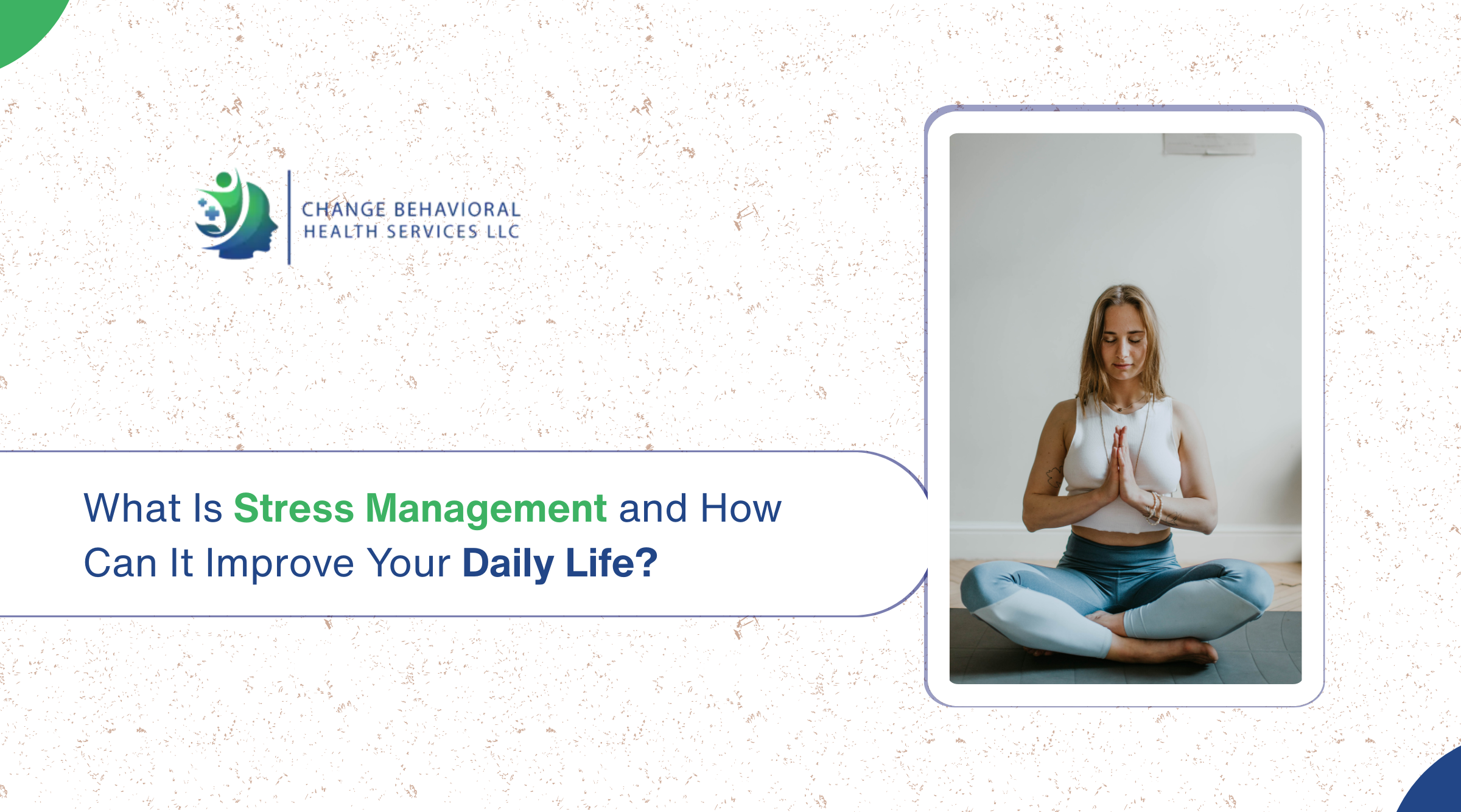
Mindfulness keeps individuals grounded in the present moment, calming the nervous system and reducing tension. Common practices include:
- Deep breathing exercises
- Guided meditation
- Gentle stretching
- Quiet reflection
Regular practice enhances emotional control and reduces anxiety.
Regular Physical Activity
Exercise is a natural stress reliever, releasing tension and boosting mood through positive brain chemicals. Beneficial activities include:
- Walking outdoors
- Light stretching routines
- Yoga or gentle movement exercises
- Simple home workouts
Consistent movement strengthens both mind and body.
Balanced Daily Routines
A structured routine creates stability and reduces uncertainty. Healthy daily habits support emotional balance, including:
- Maintaining a consistent sleep schedule
- Eating balanced meals
- Taking breaks for relaxation
- Spending time with supportive people
Small changes in daily routines can significantly reduce stress over time.
Conclusion
Stress is a normal part of life, but it doesn’t need to control your daily schedule. Stress management provides learning practices to remain calm, focused, and healthy. Psychoeducation will offer insight and counseling, a safe place to grieve and recover.
With expert help and positive daily habits, anyone can build resilience and improve their quality of life.
Contact Change Behavioral Health Services, LLC to learn about our psychoeducation and counseling services. One small step can put us on a calmer, more balanced path in life.
FAQs
Can lifestyle changes reduce stress?
Yes. Regular exercise, proper nutrition, adequate sleep, and social support significantly reduce stress.
Can workplace stress be managed effectively?
Yes. Time management, setting clear boundaries, taking breaks, and stress-reducing exercises can all help manage workplace stress.