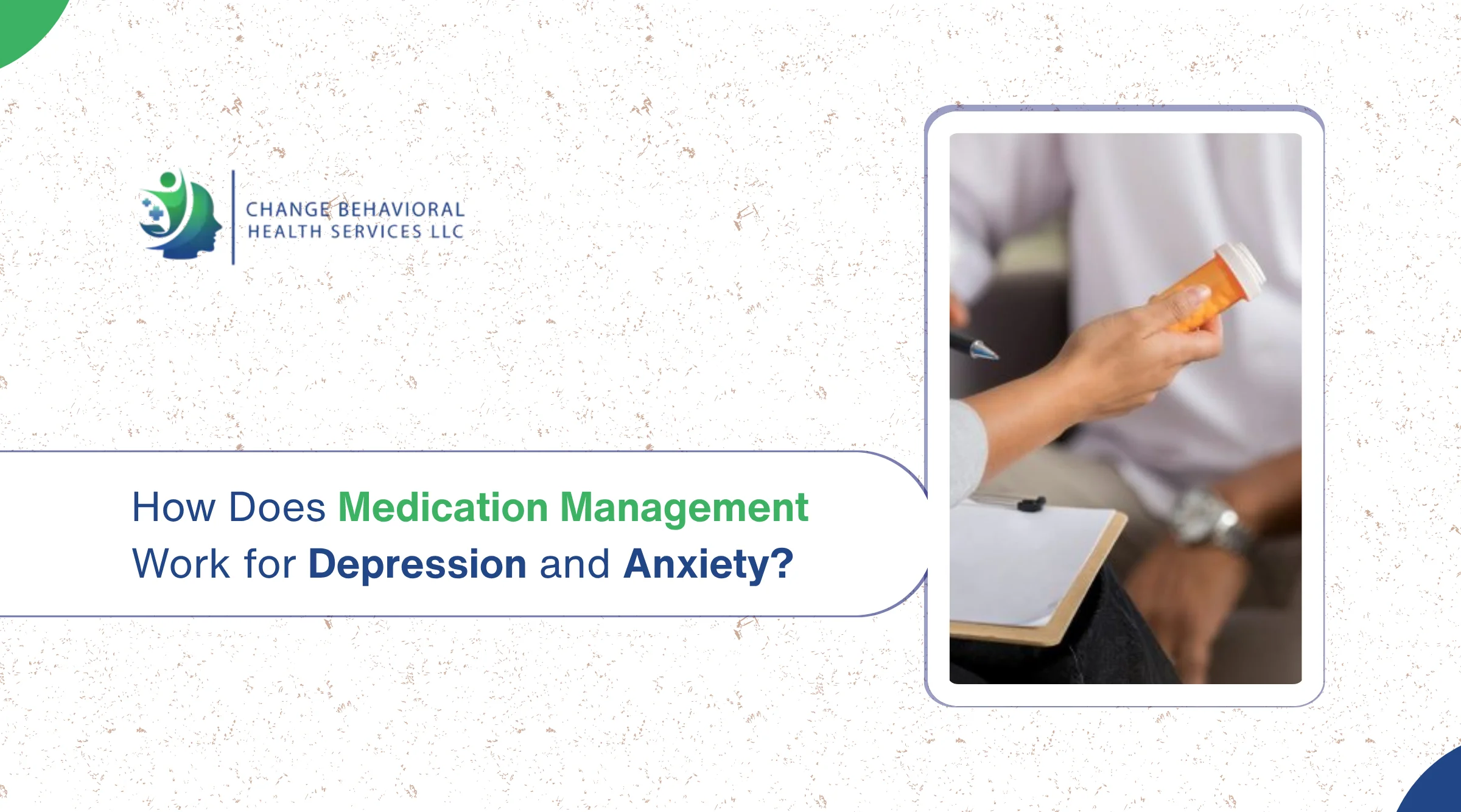
When sadness or anxiety starts to compromise sleep, energy, attention, relationships, or the capacity to enjoy everyday life, many individuals wonder whether medication could help. Medication management is a systematic method of analyzing, prescribing, monitoring, and modifying psychiatric medications to ensure the safest and most effective use of psychiatric medications feasible for each individual.
It’s an ongoing relationship with a skilled prescriber, such as a psychiatrist or psychiatric nurse practitioner, that looks at your symptoms, your response to therapy, and your overall quality of life.
What Medication Management Really Means
Medication management is the therapeutic process of establishing the appropriateness of medicine, selecting a starting prescription, monitoring its impact on symptoms and side effects, and making thoughtful modifications over time. The goal is to achieve meaningful improvement in mood, anxiety, energy, sleep, and everyday functioning with as few undesirable effects as feasible.
The most frequent first-line medications prescribed for depression and anxiety are selective serotonin reuptake inhibitors (SSRIs) and serotonin-norepinephrine reuptake inhibitors (SNRIs). These medications have an excellent reputation for both disorders and are generally well tolerated. Other solutions may be considered depending on the particular symptoms, history of reactions, medical background, or other special needs.
Medication management is most effective as a collaborative process. Your observations of how you feel, what side effects you notice, and what matters most to you will influence your decisions. It is also frequently most successful when it is integrated with counselling or therapy and healthy lifestyle assistance.
The Initial Evaluation: Laying the Groundwork
It all begins with a thorough psychological evaluation. This first visit is frequently longer than follow-up appointments and will include several important areas:
- Current symptoms of sadness or anxiety, including the length of time and how it affects everyday life
- History of mental health issues and previous medication experiences (what worked, what didn’t, any side effects)
- Medical problems, other medications or supplements, and family history
- Sleep, vitality, appetite, ability to concentrate, safety problems
- Individual goals and preferences about therapy
This assessment can help clarify the diagnosis and the appropriateness of medicine. Shared decision-making is at the core. The physician will discuss possible advantages, probable adverse effects, realistic time frames, and alternatives so that you may make an informed decision together.
Starting Medication: What Happens Next
Your clinician will select a starting option based on your symptom profile, medical history, and preferences if medication is necessary. Typically, one starts with a low dose and increases it steadily. This “start low and go slow” approach allows the body to acclimatize and reduces the risk of unpleasant early consequences.
When you start an SSRI or SNRI, you can have some mild nausea, a headache, or restlessness. They usually improve during the first week or two. The advantages for anxiety and mood frequently take longer to demonstrate, often taking several weeks of consistent use. You may see changes in sleep, energy, or attention before your mood is fully improved.
Clear instructions on how and when to take the medication, what to check for, and when to call with issues. One crucial component of this phase is education on the medication so you know what to expect and feel more in control of the procedure.
Monitoring and Follow-Up Care
It is important to follow up often, especially in the first several months. Usually, initial check-ins are every few weeks so the provider can see how you’re doing:
- Whether symptoms are improving
- Any side effects and how bothersome they are
- If the medicine is taken exactly as directed
- Alterations in sleep, appetite, energy, or everyday functioning
- Any new medical problems or potential interactions
Once symptoms are stabilized and medicine is well accepted, visits may be less frequent. The treatment is still being followed up to make sure it works and is safe in the long term. Some medicines need lab tests or other checks now and then. Your provider will tell you what is needed for your situation.
Open communication is the key. The plan can be changed immediately, without waiting for bigger problems, because there are both positive and negative reports.
Adjusting Treatment When Needed
Not all medications work the same for every person. If the first one isn’t enough to help you or has unpleasant side effects, there are a few options:
- Changing the dose
- Switching to another medication of the same class or a different class
- Sometimes, using a second drug to improve the impact
- Dealing with side effects with practical interventions or additional assistance
Sometimes it takes time and patience to find a good match. This is a natural part of the process and does not mean that treatment is not working. The focus is still on real improvement in symptoms and quality of life.
Managing Side Effects and Safety
Side effects are typical when initiating or adjusting psychiatric medications, but many are transient or controllable. Providers talk about what is normal, what needs addressing, and how. Early follow-up helps catch problems early.
Safety monitoring is crucial in the initial weeks of treatment or following dose adjustments. Providers look for an increase in agitation, restlessness, or any deterioration of mood or thoughts of self-harm. Patients are asked to report this promptly so that the plan can be reviewed.
Other health issues, plans for pregnancy, interactions with other medications, and lifestyle variables are also considered while choosing medications. Safer prescribing is possible with a complete picture.
How Medication Fits with Therapy and Other Supports
Medication treats the biological aspects of depression and anxiety, such as brain chemistry that regulates mood, energy, and stress response. Counselling and therapy help you modify the way you think, develop coping skills, minimize avoidance, and strengthen your relationships. Combining both tactics is usually best for most people.
Lifestyle considerations are also involved. Getting enough sleep, exercising regularly, drinking less alcohol or caffeine, and using stress management techniques can help the drug work better. These things are commonly talked about within medication management, so the whole strategy feels practical and durable.
Practical Tips for Getting the Most from Medication Management
- Use a simple log to track symptoms, sleep, energy, and any side effects to discuss during appointments.
- Take medication at the same time of day where possible, and regularly.
- Ask questions regarding timescales, side effects, and what real progress means to you.
- Be honest about how you are really taking the medications and any impediments (expense, side effects, forgetting doses).
- Do not stop or adjust the dose yourself. If discontinuing is suitable, a scheduled taper is safer. Sudden changes can cause complications.
- Get a trusted individual involved in your care if you think it would be useful to have support and more precise observations.
- Coordinate with other providers (therapist, primary care) to make sure everyone is on the same page.
Support Available Through Change Behavioral Health Services
Change Behavioral Health Services offers Psychiatric Evaluation and Medication Management as a primary treatment for adults who have depression, anxiety, and related difficulties. Care includes full assessment, individualized drug regimens, continuing monitoring, and education to ensure that clients understand their treatment and are empowered in the process.
We provide services via telehealth and in select locations within the Washington, D.C., Maryland, and Virginia area. The approach is person-centered and collaborative, with a focus on symptom treatment and overall quality of life. Psychoeducation and counselling are also available to supplement medication management when it is effective.
Moving Forward with Clarity and Support
Treating depression and anxiety with medication is a process (and it is a continuous process) structured to determine the best and most bearable treatment for each individual. It starts with an assessment, continues with mindful monitoring and modifications, and works best when combined with open communication and, often, counselling or lifestyle assistance.
If you’re struggling with depression or anxiety, contact us today to schedule an appointment. A professional assessment can help determine if medication is a good option for you, and what that process would look like. There are effective treatments available, and many people will see significant improvement with the correct mix of supports.
FAQs
How long does it take for depression or anxiety medication to work?
Many people see some improvement in sleep, energy, or anxiety in the first few weeks, but complete effects on mood usually take many weeks of constant use. Therapeutic doses are usually continued for a sufficient time to determine if a change is necessary.
Will I have to take medication forever?
Not exactly. Some people take medication for a definite period of time while they are working on other skills and supports; others stay longer depending on their history and stability. The length of the decision is decided together and revisited over time.
What if the first medication does not help enough?
This is common and does not mean there is no healing. Options include changing the dose, switching medications, or a combination of methods. Getting the fit correct often requires some trial and close watching.
Can I take medication and still do therapy?
Yes. Many people benefit from both. Medication can decrease symptoms to a level where therapy can be more effective. Therapy provides enduring skills to help maintain long-term wellness.
What should I do if I experience side effects?
Contact your provider rather than discontinuing on your own. Many early side effects improve, and typically, changes or techniques can assist. By communicating promptly, the plan can be safely fine-tuned.