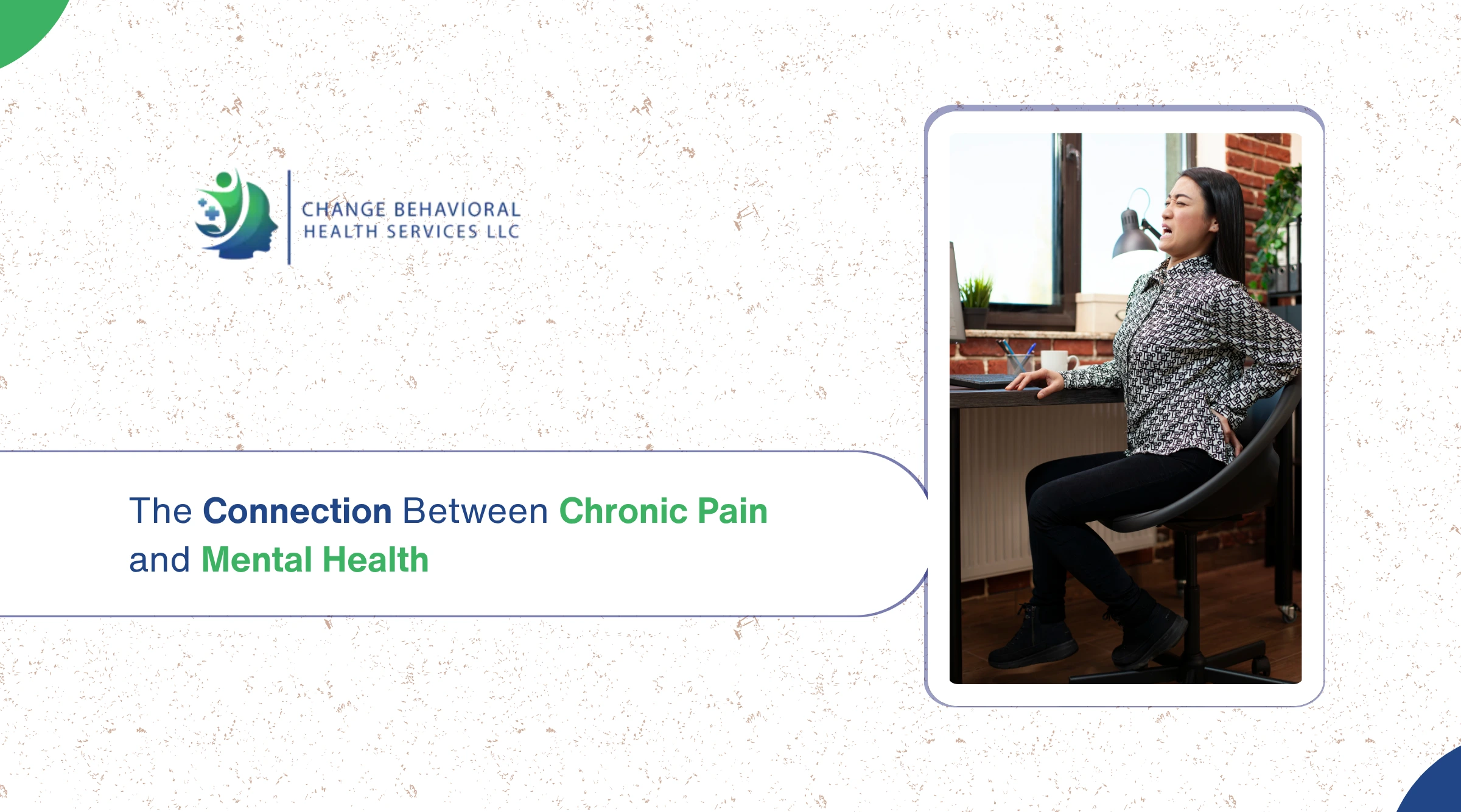
Living with chronic pain is exhausting in a way that’s hard to put into words. Not just the pain itself. The fact that it’s still there tomorrow. Planning everything around it. Explaining yourself to people who keep expecting you to be better by now.
Some research shows that between 40% of individuals who suffer from chronic pain conditions are depressed as well. So it is not a coincidence, and it’s not a personal weakness. Biologically, pain and mood are entangled, affecting both in ways that change treatment for both.
They Share the Same Wiring
Pain and mood run through some of the same brain regions. The anterior cingulate cortex, the prefrontal cortex. They use the same neurotransmitters. The drugs used in depression act on serotonin and norepinephrine, which also control the signals that go up the spinal cord to the brain. That’s why some antidepressant drugs, such as SNRIs (duloxetine in particular), are used directly for chronic pain disorders. Not as a by-product. That’s the mechanism.
Chronic pain also keeps cortisol elevated for months or years. Sleep gets wrecked. The brain’s threat system stays turned on long past the point where it’s useful. That steady background state of stress chips away at mood over time, not because of how someone is thinking about their situation, just physiologically.
Pain Makes Depression Worse. Depression Makes Pain Worse.
Not a figure of speech. Depression reduces the threshold to pain, so the nervous system senses and enhances pain signals that it would normally ignore. Dampens motivation to do physical therapy or movement that could be helpful. It disrupts sleep, and if you do not sleep well the following night, you will not sleep well the following day, and so on. This is more difficult: navigating the medical system, keeping up with appointments, and advocating for yourself with medical providers who are or aren’t listening.
The pain, meanwhile, keeps cutting things out. Activities gone. Social life shrunk. Work harder. Relationships strained. The loop tightens and each side feeds the other.
Anxiety Shows Up Differently Here
With chronic pain, anxietyoften centers on the pain itself. Bracing for how bad it’ll be. Avoiding things because of what might happen. Canceling plans preemptively just in case. Clinicians call this pain catastrophizing, which sounds dismissive but isn’t. It’s a nervous system doing exactly what it learned to do after being hurt repeatedly.
The problem is that avoidance makes the world smaller, and a smaller world makes the pain feel bigger. Less else going on means more attention on what hurts. Fewer reasons to push through it. The person ends up more disabled by the fear than they would be if they just showed up and dealt with the flare.
Treating One Side Rarely Gets People All the Way There
Pain clinic, procedures, medications, physical therapy, but nothing for mental health. Lots of people go through that and end up feeling physically a bit better but still can’t function, still can’t work, still wake up dreading things. The mood piece that nobody addressed is still running the show underneath.
Or the opposite. Therapy for depression, some real progress, but the underlying pain is untreated and keeps resetting the floor no matter how many skills get practiced. Neither side alone is usually enough when both are genuinely present.
What Has Actual Evidence Behind It
- SNRIs like duloxetine and venlafaxine hit both depression and pain through the same mechanism, so they’re not two separate treatments
- CBTadapted for chronic pain specifically, which targets avoidance and the catastrophizing patterns that build up over time
- Acceptance and Commitment Therapy, which helps people build a livable life around what matters to them without requiring the pain to go away first
- Sleep treatment, since disrupted sleep is one of the biggest drivers of both worse pain and worse mood
- Consistent gentle movement where possible, which helps pain threshold, mood, and sleep at the same time
None of this makes chronic pain go away. The goal is getting to a place where the pain is not making every decision for you.
Most People Don’t Bring Both Things Up at Once
A lot of people with chronic pain don’t mention depression or anxiety to their providers. It feels like a different complaint. Or they worry it’ll make their physical symptoms seem less real. That concern isn’t unfounded, mental health does get minimized in pain settings more than it should.
But bringing both into the room gives the full picture. A provider who understands how mental health intersects with chronic conditions can address the piece that physical treatment alone keeps leaving behind.
Both Things Are Worth Treating
At Change Behavioral Health Services, depression, anxiety, and mood disorders are treated with your full situation in mind, including chronic health conditions that have been quietly affecting your mental health in ways that may not have been properly addressed yet. Psychiatric evaluation, medication management, and counseling, all built around what’s actually going on for you.
Services are available by telehealth across Washington DC, Maryland, and Virginia, with in-person options for clients in residential and care settings.
If you’ve been dealing with both and neither is fully improving, that’s worth a real conversation.
Phone: (301) 732-7721
Email: changebhservices@gmail.com
Location: 18310 Montgomery Village Avenue, Suite 300 #1107, Gaithersburg, MD 20879
Hours: Monday to Friday, 9 AM to 5 PM
We are here for you.