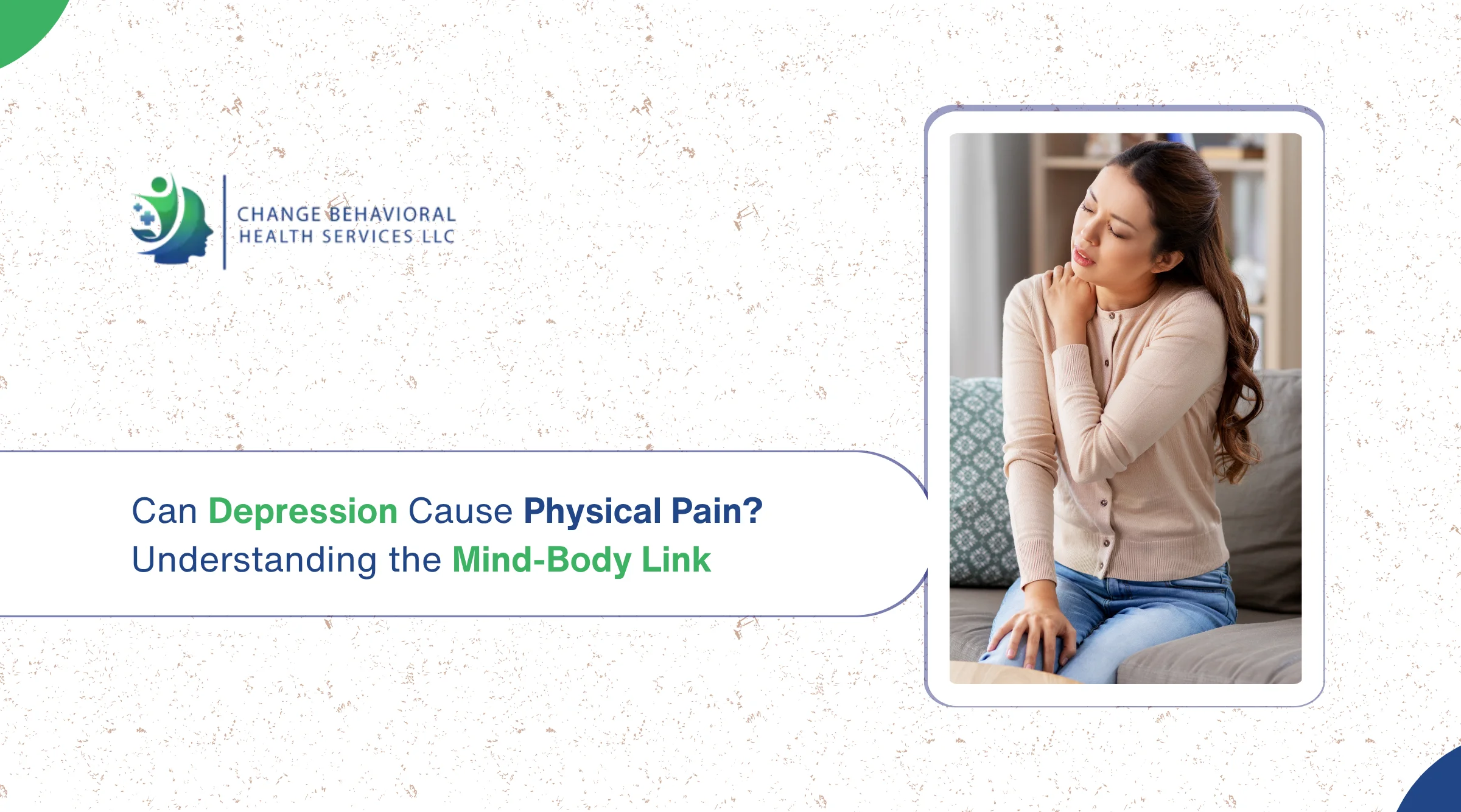
When people think of depression, they think of low mood, despair, and loss of interest. But many people also suffer from real physical pain: headaches, backaches, muscular tension, joint pain, or stomach problems with no obvious damage or medical cause. This is not make-believe. Depression is tightly linked to physical pain through common pathways in the brain and body.
Understanding this relationship between mind and body can help explain why the symptoms seem so linked and why treatments for one typically improve the other.
The Connection Between Depression and Physical Pain
Depression can cause physical discomfort, and pain can make despair worse. The relationship is reciprocal. When you’re low, your neurological system may become more susceptible to pain signals. Chronic discomfort is also energy-draining, sleep-disrupting, and feeds into a sense of pessimism.
Such overlap means that physical symptoms are often part of the experience of depression itself, not a separate illness. In some cases, body pain is one of the earliest or most noticeable signs that something is wrong.
Common Physical Symptoms Linked to Depression
Depressed people commonly complain of all kinds of bodily ailments. These may include:
- Headaches or migraines that are happening more often or are worse
- Back, neck, or shoulder aches
- Muscle pain or a sensation of heaviness in the body
- Pain in joints
- Digestive problems, for example, nausea or abdominal pain
- Tightness in the chest or unexplainable physical tension
- Fatigue all the time, both physically and mentally
These symptoms are real. They are real alterations in the way the neurological system processes impulses, not a lack of willpower or an overblown imagination.
Why Depression and Pain Share Pathways
Several biological systems clarify the relationship.
The areas of the brain that process emotion are the same ones that process pain. Mood control disruption can also alter pain perception. Neurotransmitters like serotonin and norepinephrine affect both mood and the body’s inherent capacity to control pain signals. When these chemical messengers are out of balance, emotional and physical discomfort can both rise.
The inflammation and stress-response systems are involved, too. Heightened sensitivity to pain might result from the body’s chronic stress and depression-induced state. With time, the nervous system may become more reactive, a process frequently known as central sensitization. You might feel that everyday sensations are more intense or harder to deal with.
Put simply, the systems that help us regulate our mood also help us regulate how we perceive physical discomfort. When one system is under stress, the other is often too.
How Chronic Pain Can Deepen Depression
The opposite is also true. The ongoing pain makes daily life more difficult. It can impede activity, disrupt sleep, impair social interaction, and produce a sensation of loss of control. These changes have a natural effect on mood. Physical constraint and emotional pressure can, over time, form a cycle where pain and sadness reinforce each other.
To break that loop, it often takes looking at all sides of the experience.
Recognizing When Physical Pain May Be Linked to Mood
Not every ache is a sign of depression, and it’s vital to have a medical evaluation to rule out other causes. At the same time, some patterns point to the likelihood of a mind-body connection:
- Pain that starts or intensifies when you’re feeling down, have lost interest in things, or are experiencing other emotional symptoms
- Pain that does not quite correlate with physical or imaging exam findings
- Multiple body areas affected without a single clear injury
- Symptoms improve when mood improves, or worsen during periods of severe stress
A full assessment looks at the overall picture: your mood, sleep, energy, stress, medical history, and physical symptoms, not just each issue alone.
Practical Steps That Can Help
Though professional care is typically required, several daily practices can make a difference:
- Try to sleep and wake up at a regular hour as much as possible. Lack of sleep increases discomfort and depressed mood.
- Do some mild movement when possible. A brief walk or even some moderate stretching can help with physical comfort and emotional regulation.
- Identify relationships between stress, mood, and pain. Simple tracking can show interesting links.
- Try simple ways to soothe the nervous system, such as steady breathing or progressive muscular relaxation, which can lower stress overall.
- Be in contact with those who support you. Isolation tends to magnify both mental and physical distress.
- Be curious about symptoms, not self-critical. Good care means knowing about the mind-body connection, not a sign of weakness.
Support Through Change Behavioral Health Services
At Change Behavioral Health Services, we know that depression is more than just emotional symptoms. Our approach comprises rigorous mental health diagnosis and medication management if indicated, and psychoeducation and counselling covering the spectrum of feelings, including the physical discomfort associated with mood.
We provide care through telemedicine and at select locations across the Washington, D.C., Maryland, and Virginia area. The goal is to understand how mood, stress, sleep, and physical symptoms interact so that standard therapies can be designed to promote significant improvement in daily living.
Moving Toward Relief
Depression and physical pain often go together because there are true biochemical links. The pain is real. The connection is understandable. Combining mood and pain, instead of addressing them as separate entities, generally leads to greater results.
If you’re feeling low all the time and have physical pain that you can’t explain, a full assessment can help you understand what is going on and what choices are available to help you. There is help, and many people discover that when their mood improves, their physical issues ease too.
FAQs
Can depression really cause physical pain?
Yes, it does. Depression can also lead to headaches, backaches, muscle pains, and other physical symptoms because of overlapping brain pathways, altered neurotransmitter levels, and heightened sensitivity in the nervous system.
Is the pain “all in my head”?
Not at all. The pain is very real. It shows what really happens in the brain and body when they receive messages. Calling it a mind-body connection does not mean it is imaginary.
Will treating depression help with the pain?
Yes, in many cases. Therapy, medication management when appropriate, and supportive lifestyle changes are all ways to promote control of mood and can help to alleviate physical discomfort. Results may differ.
Should I still see a doctor for the physical symptoms?
Yes. Other medical factors should be excluded. The most obvious way forward is a full assessment considering physical and mental health.