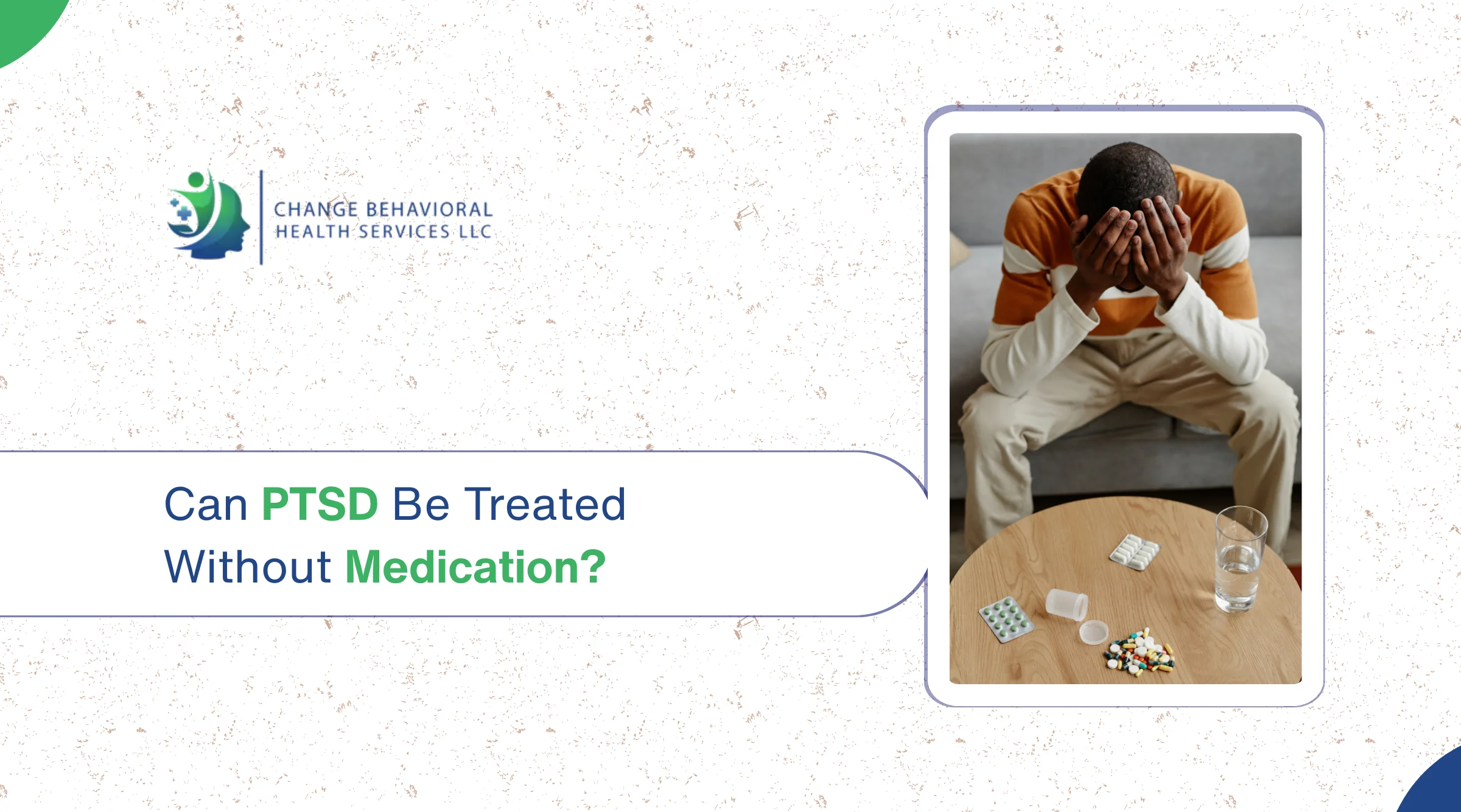
Yes, PTSD is treatable without medications. For many people with PTSD, psychotherapy is an important aspect of treatment, and evidence-based trauma-focused therapies can be used without psychiatric medication.
Post-traumatic stress disorder (PTSD) may occur after experiencing or witnessing a stressful event. Symptoms may include intrusive memories, nightmares, avoidance, emotional distress, trouble sleeping, impatience, and always being on alert.
The best treatment relies on the person’s symptoms, preferences, history, and overall mental health. A skilled mental health expert can assist in establishing which technique is appropriate.
How Is PTSD Treated Without Medication?
The most supported non-medication treatments for PTSD includetrauma-focused psychotherapies. These therapies enable individuals to work through traumatic situations and address the ideas, feelings, and behaviors around trauma. The National Centre for PTSD lists Cognitive Processing Therapy, Prolonged Exposure, and EMDR as therapies with the strongest evidence.
Cognitive Processing Therapy (CPT)
CPT helps patients learn to identify and alter problematic attitudes and beliefs about their trauma. Therapy can help with feelings such as guilt, anxiety, shame, or beliefs that formed after the traumatic incident.
The goal is to assist the individual in creating a more balanced perspective of the trauma and decrease the residual emotional burden of it.
Prolonged Exposure Therapy (PE)
Prolonged Exposure treatment helps people face the memories, feelings, and situations of trauma that they have been avoiding.
While avoidance may temporarily relieve distress, it can keep PTSD symptoms going. PE helps to process these events in an organized way with the help of a skilled therapist.
Eye Movement Desensitization and Reprocessing (EMDR)
EMDR is another proven treatment for PTSD. During treatment, the person is asked to focus on parts of a traumatic memory while following back-and-forth movements or sounds as directed by a therapist.
EMDR is intended to facilitate processing of traumatic memories and minimize the distress associated with them.
Can Counseling Help With PTSD?
Yes. Trauma-informed counselling can provide a safe and structured setting to analyze trauma responses, identify triggers, and create healthy coping methods.
For other people, commencing treatment with direct processing of traumatic experiences is too difficult. Before trauma-focused work, a therapist may concentrate on safety, emotional regulation, coping skills, and establishing trust.
Change Behavioral Health Services provides individual and trauma-informed counselling tailored to the unique needs of each client. Its counselling services stress safety, empowerment, and a gradual approach to working through traumatic situations.
Can PTSD Go Away Without Medication?
PTSD symptoms can improve with the right treatment, and not everyone needs medication. Current professional guidelines promote trauma-focused psychotherapy as first-line treatment for PTSD.
Treatment outcomes, however, vary. For some people, therapy on its own may be enough. Some people may do better with medication, or a mix of treatments, or with additional assistance (for example, with depression, anxiety, or substance use).
Not taking medication does not imply you have to deal with PTSD on your own. But professional therapy can still be an evidence-based treatment option.
When Might Medication Be Considered?
You might want to consider medication if you have severe PTSD symptoms, or if the symptoms interfere a lot with your life, or if you have other mental health problems in addition to PTSD. There is evidence that several antidepressant medicines, including sertraline, paroxetine, and venlafaxine, can help to reduce PTSD symptoms.
Medications should be selected with the assistance of a skilled health care expert. If you are currently taking psychiatric medication, do not discontinue or alter it without consulting your prescriber.
What Can You Do Alongside PTSD Therapy?
Getting professional help is vital, but healthy daily routines can also aid in rehabilitation. These can include (depending on your situation):
- Maintaining a consistent sleep schedule
- Reaching out to individuals who love and support you
- Learning skills for managing stress.
- Reducing alcohol and recreational drug use
- Having a mindfulness or relaxation practice
- Following your therapist’s suggestions between sessions
These tactics are not intended to replace professional PTSD treatment, but rather supplement it.
When Should You Seek Help for PTSD?
If you’re finding that trauma-related symptoms are interfering with your sleep, relationships, career, or capacity to function normally, consider talking with a mental health professional.
You don’t have to wait until your symptoms are out of control to get help. A mental health professional can tell you whether you have PTSD and what treatment may be right for you.
Get Support for PTSD
PTSD doesn’t have to be dealt with alone. Change Behavioral Health Services provides psychiatric examination, medication management, individual counselling, and trauma-informed counselling for adults. Telehealth services are offered, and in-person care is available in select locations across Maryland, Washington, DC, and Virginia.
If you’re having trauma-related symptoms that are impacting your everyday life, you might consider talking to a certified mental health professional about treatment options.
FAQs
Can therapy treat PTSD without medication?
Yes. Trauma-focused therapies such as CPT, PE, and EMDR are evidence-based treatments for PTSD and can be administered without medication.
Is medication necessary for PTSD?
No. Not all people with PTSD need medication. Therapy should be tailored to the individual according to symptoms, wishes, and clinical requirements.
What is the best therapy for PTSD?
There isn’t a one-size-fits-all therapy for everyone. CPT, PE, and EMDR are well supported by research. A skilled provider can help identify which approach would be helpful.