
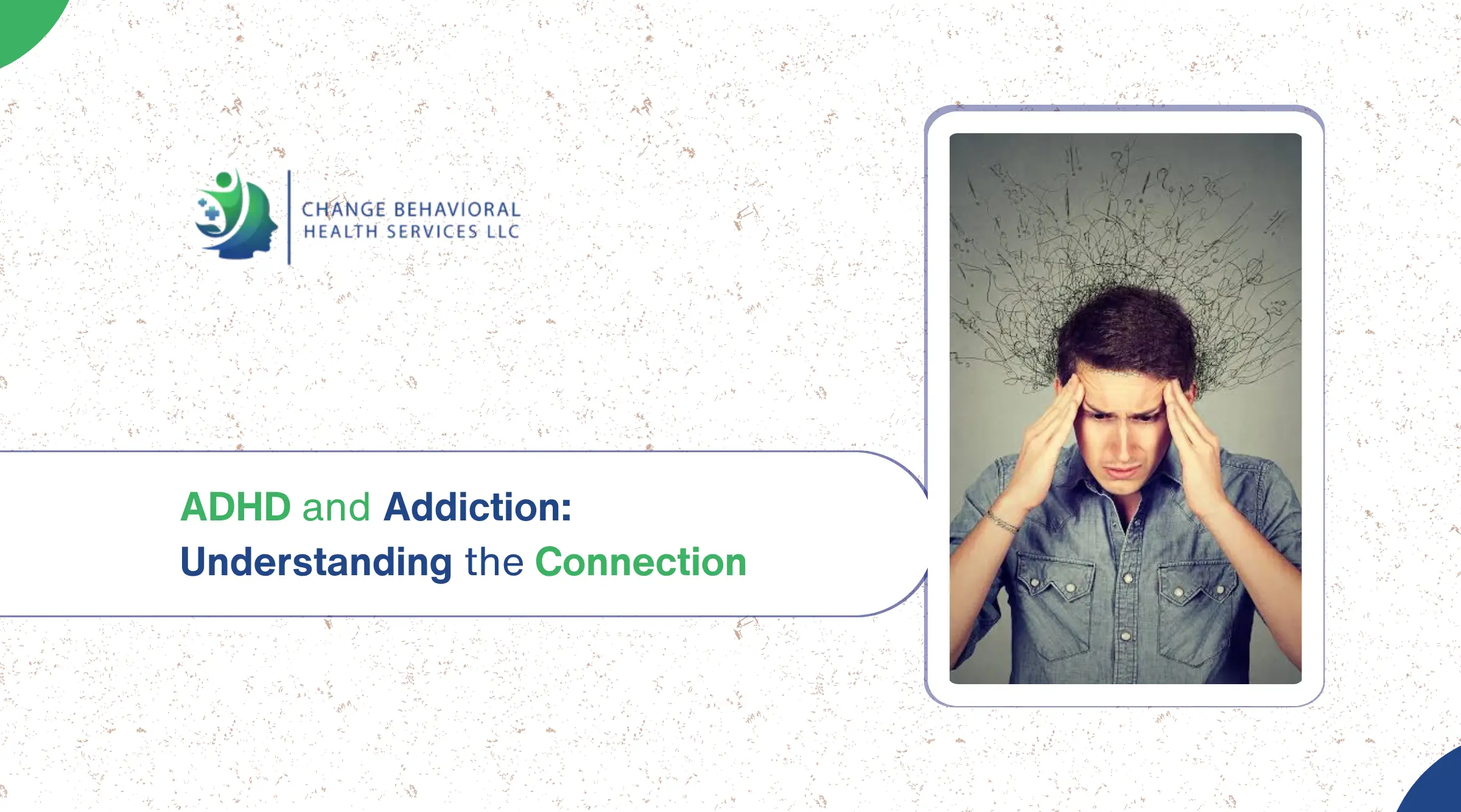
ADHD and addiction can sometimes occur together, but ADHD does not necessarily cause addiction.
Attention-deficit/hyperactivity disorder (ADHD) can make it hard for a person to focus, control impulses, stay motivated, organize, and regulate emotions. For some, these challenges may be a trigger for substance use, particularly if alcohol or drugs seem to help numb stress, boredom, restlessness, or emotional pain temporarily.
Substance use can also mask ADHD issues and make them more difficult to identify. Drugs and alcohol can affect your attention, memory, sleep, mood, and impulse control. This can create symptoms that look a whole lot like ADHD.
Knowing the relationship may help people recognize when they might need help with either disease.
What Is ADHD?
ADHD is a neurodevelopmental condition that can affect both children and adults. It is often linked with problems in paying attention or controlling impulses, but it can have a spillover effect into many parts of everyday life.
Adults with ADHD can have problems with organization, time management, completing tasks, remembering responsibilities, or staying focused on tasks that are repetitive or boring.
ADHD can impact emotional regulation, too. It can feel especially hard to manage feelings of frustration, boredom, or stress.
These are not problems of laziness or lack of motivation. ADHD can interfere with executive functioning, which is the way a person plans, organizes, controls impulses, and follows through.
If ADHD is not treated or is treated poorly, the continuing problems at work, school, or in relationships can cause stress and frustration. Others may turn to substances to cope with those experiences.
What Is Addiction?
Addiction is much more than a choice to use drugs or alcohol.
Substance use disorder occurs when a person’s use of a substance is out of control and causes problems in their health, relationships, work, school, or daily responsibilities.
Some people may continue to use a substance even if it is causing them problems, or find that they are unable to cut down or stop using it.
Substance use disorders can involve alcohol, cannabis, nicotine, opioids, stimulants, prescription medications, or other substances.
Importantly, addiction doesn’t look the same in everyone. Understanding the problem includes important aspects of the pattern of use and its impact on the person’s life.
Is There a Connection Between ADHD and Addiction?
Yes. ADHD and substance use problems can occur together, but it is complex.
ADHD might also interact with impulsivity, emotional distress, stress, other mental health disorders, environment, and coping methods.
Impulsiveness and Decision Making
A person can fail to stop and consider the long-term effects of their actions due to impulsivity.
That doesn’t mean everyone with ADHD is impulsive. And problems with impulse control can sometimes make it more difficult to experiment with or continue to use substances.
Boredom and Motivation
Boring, repetitive, or unrewarding activities can be hard for people with ADHD.
Substances can change a person’s feelings in a second. Immediate effects are pretty tempting to the person who is prone to boredom, restlessness, or lack of desire.
With time, people can become accustomed to using a substance to feel better or more excited.
Emotional Regulation
ADHD can make it tougher to cope with irritation and uncomfortable feelings.
People may also use alcohol or drugs because they are a seemingly easy method to relax, escape, or feel different.
The fear is that short-term relief will create dependency. People sometimes use a substance when they are feeling tension or discomfort.
Can Substance Use Be a Form of Self-Medication?
Sometimes.
Someone who has never been diagnosed with ADHD may find that a certain substance makes them feel calmer, more focused, more energetic, or more socially at ease.
This can lead to the idea that the substance is fixing an underlying problem.
But temporary relief is not equal to effective treatment. Substance use can eventually lead to other problems with mood, sleep, attention, relationships, and functioning in daily life.
|Treatment can include uncovering the reasons why someone uses substances. Instead of only asking, “How much are you using?” the doctor should additionally ask, “What are you trying to feel or cope with when you use?”
Can Substance Use Look Like ADHD?
Yes.
That’s part of why ADHD can be hard to diagnose when there’s substance use, too.
Intoxication and withdrawal can impact focus, memory, motivation, sleep, mood, and impulse control. These alterations can look like some ADHD-related issues.
Thus, the clinician may consider the timing of the onset of the symptoms and whether similar problems existed before heavy use of the substance.
A thorough evaluation can help differentiate ADHD from symptoms associated with substance use or another psychiatric disorder.
Why Treating Both Conditions Matters
When ADHD and addiction occur together, treating only one condition may leave significant problems untreated.
Someone not receiving treatment for their ADHD can still have problems with impulsivity, organization, attention, or emotional regulation while only treating their substance use.
Likewise, the substance use problem is not immediately treated by treating the ADHD without treating the substance use disorder.
An integrated approach considers the whole person and how the two situations might be interacting.
How Are ADHD and Addiction Treated Together?
Treatment should be personalized. One size does not fit all.
Comprehensive Evaluation
A psychiatric assessment might help to explain what is contributing to a person’s problems.
A physician may look at symptoms of ADHD, substance use, mental health history, medications, medical concerns, sleep, stress, and daily functioning.
Knowing when symptoms occur can be particularly useful when ADHD and substance use coincide.
ADHD Treatment and Medication Management
You can treat ADHD with medication, behavioral techniques, counselling, psychoeducation, or a combination of these.
Addiction should be taken into account while considering pharmaceutical decisions. The physician can assess the person’s substance use history, current circumstances, treatment goals, and the potential benefits and hazards of other approaches.
Change Behavioral Health Services provides psychiatric evaluation and medication management for concerns including ADHD and substance use disorders.
Addiction Counseling and Recovery Support
Substance use disorders are disorders that need to be treated in their own right.
Counseling can assist people to understand their patterns of substance use, identify their triggers, learn healthier ways of coping, and work toward recovery.
Change Behavioral Health Services provides addiction recovery treatment, including addiction counseling, education, and medication-assisted treatment when clinically appropriate.
Psychoeducation and Prevention of Relapse
Learning about the link between ADHD and substance use may help identify tendencies that could disrupt recovery.
Recovery strategies include developing healthy habits, getting more organized, managing boredom, identifying impulsive decisions, and finding more effective ways to cope with stress.
Relapse prevention strategies should be customized to the person’s unique triggers and obstacles, rather than a one-size-fits-all approach.
What Should You Do If You Think You Have ADHD and an Addiction?
You don’t have to figure it out yourself.
If you are struggling with ADHD and problematic substance use, consider consulting a trained behavioral health specialist.
Be open about your substance use throughout an assessment. Accurate information allows clinicians to see the whole picture and make safer treatment decisions.
It may also be useful to assess whether attention, organization, impulsivity, or restlessness were concerns before substance use became an issue.
These questions are not intended to diagnose ADHD or addiction but can help you articulate your experiences when you are being professionally evaluated.
There are various ways that ADHD and addiction might be associated; however, having ADHD does not imply that a person will become addicted.
This could be part of impulsivity, problems with motivation, emotional management, stress, and trying to cope with uncomfortable events. Substance use may also interfere with attention, emotions, sleep, and daily functioning at this time.
When both conditions are present, providing treatment for them jointly can offer a more comprehensive strategy to care. Change Behavioral Health Services, LLC is dedicated to supporting individuals and families facing addiction recovery and mental health challenges.
A full assessment can help to find out what is really going on and help to develop an individualized treatment strategy. People can recover from substance use problems and learn better ways to deal with challenges related to ADHD, with the right help.
FAQs
Does ADHD cause addiction?
No. ADHD does not directly cause addiction. However, ADHD-related challenges may interact with other factors and increase vulnerability to problematic substance use in some people.
Can substance use make ADHD worse?
Yes. Intoxication, withdrawal, poor sleep, and other effects of substance use can interfere with attention, memory, motivation, mood, and impulse control.
Can someone have ADHD and a substance use disorder at the same time?
Yes. Both conditions can occur together. A professional evaluation can help determine whether ADHD, substance use, another mental health condition, or a combination of factors is contributing to someone’s difficulties.
1 Comment
How Family Involvement Changes Addiction Recovery Outcomes
[…] like Claudia Black built on it since, pointing out that roles inside a family often shift around addictionin ways nobody consciously chooses, and treatment that ignores that tends to leave part of the […]