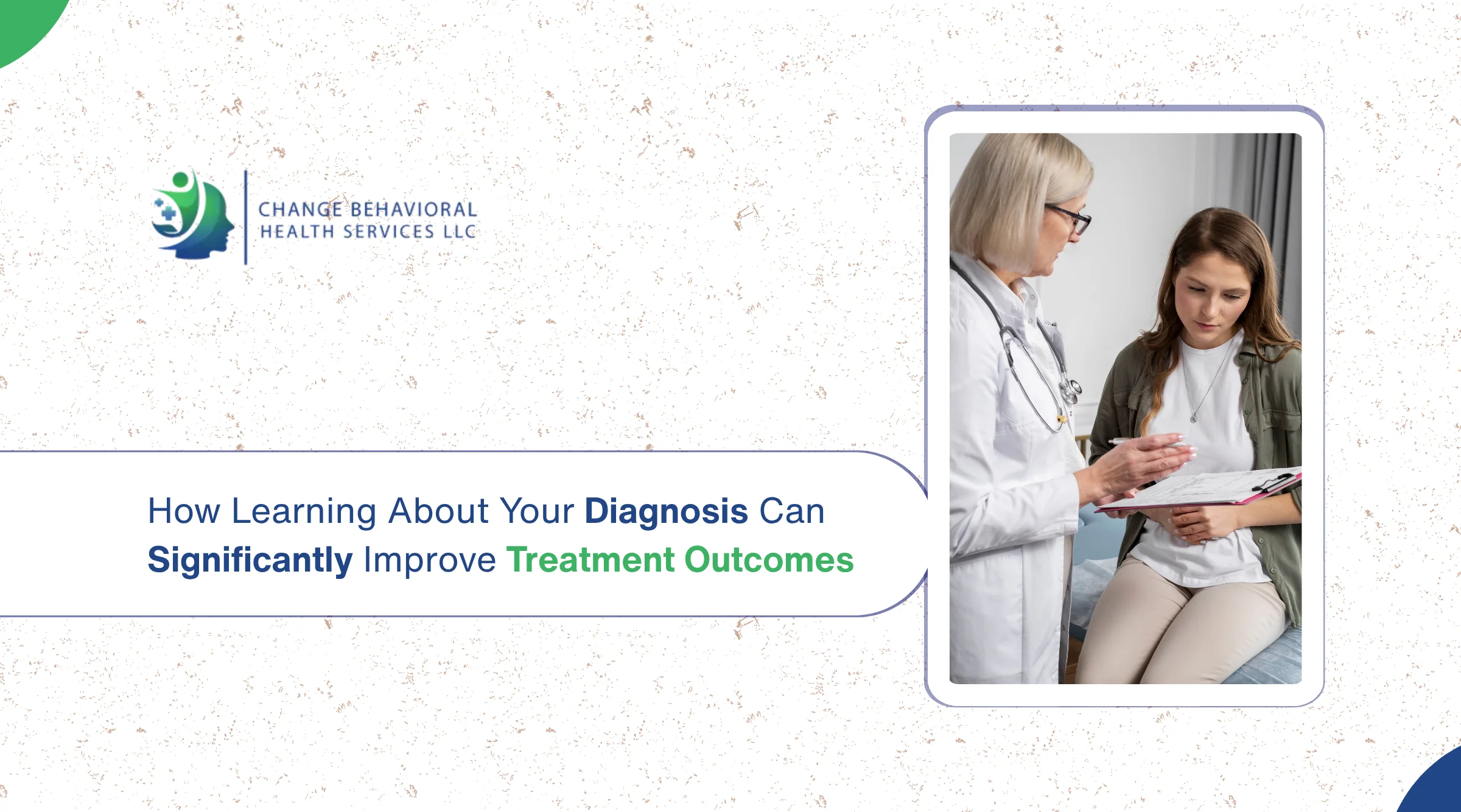
With a diagnosis, you often feel that the long chase of confusion is finally over.
Psychoeducation, which is the process of understanding your own condition, leads to better real outcomes.Medication adherence, relapse rates, hospital readmissions, quality of life.
Understanding Something Changes Whether You Follow Through
Non-adherence to medication in conditions like schizophrenia sits around 41 to 50 percent and research tracking this found non-adherent patients face up to five times higher readmission rates than patients who stick with treatment. Managing a condition versus cycling through repeated crises often comes down to that one factor.
None of this is mysterious once you think about it!
People follow through more with something they actually understand the reason for, especially once that reason connects to something they personally care about. Tie a medication to something concrete, like getting back to work, and it stops being an abstract instruction and starts being motivation.
It’s Not Just for Severe or Chronic Conditions
This research extends well past schizophrenia. A meta-analysis on psychoeducation as an adjunctive treatment for depression found real symptom reduction, better adherence with lower dropout rates, and fewer rehospitalizations, plus less work absenteeism.
Depression treatment dropout is a real, common problem, and understanding why a treatment works, what it’s actually doing and why sticking with it matters, seems to keep people in treatment long enough for it to actually help.
Bringing Family In Amplifies the Effect
Psychoeducation isn’t purely individual work. A study on family focused psychoeducation for people with psychosis found treatment adherence improved dramatically more in the group that included structured family education, gains over 40 percent at some follow up points compared to a general support group without that piece.
Makes sense once you think about what families are actually dealing with. A family member who understands what a diagnosis involves, what symptoms mean, what relapse warning signs look like, and why medication matters, is in a much better position to support consistent treatment than someone working off fear or assumption alone.
Why It Works Even Without Touching Symptoms Directly
Not every study finds psychoeducation reduces core symptoms on its own, worth being upfront about that instead of overselling it. Its real effect often runs through adherence and engagement rather than acting as an independent symptom treatment. Psychoeducation usually isn’t doing the heavy lifting itself. It’s what gets people to actually stick with the treatment that does.
That distinction changes how to think about it. Not a replacement for medication or therapy. The piece that decides whether someone engages with those treatments consistently enough for them to work at all.
What Real Psychoeducation Actually Involves
Handing someone a pamphlet at discharge isn’t it.
Effective programs tend to cover a clear explanation of the diagnosis itself — what it is and how it typically develops.
- Practical medication information, honest timelines and side effect expectations, and what non-adherence actually risks.
- Training to recognize early relapse warning signs, so someone can act before a full crisis hits. Coping strategies for the everyday challenges a diagnosis creates.
- And family education where it fits, so support at home comes from understanding rather than reaction.
Format varies. Individual sessions, group programs, family interventions, and newer digital approaches have all shown real benefit depending on the person and the condition.
What This Looks Like at Change Behavioral Health Services
Understanding your diagnosis isn’t something that happens once at intake and gets filed away.
It’s an ongoing part of treatment shaping whether everything else, medication, therapy, coping strategies, actually holds up over time.
If you’ve ever felt handed a diagnosis without a real explanation of what it means for your daily life or you’re supporting a family member and feel out of your depth on what’s actually happening, that gap is worth closing directly.
Change Behavioral Health Services can help you understand what you’re actually working with.
Reach out to schedule a consultation!