Addiction recovery is seldom a straight path. Many people begin with determination, make good progress, only to encounter unanticipated challenges: cravings that come back, old patterns that resurface, or life burdens that seem too much. That is normal. Addiction transforms the brain and impacts the way a person thinks, feels, relates to others, and acts on a day-to-day basis. Real transformation typically requires more than just willpower.
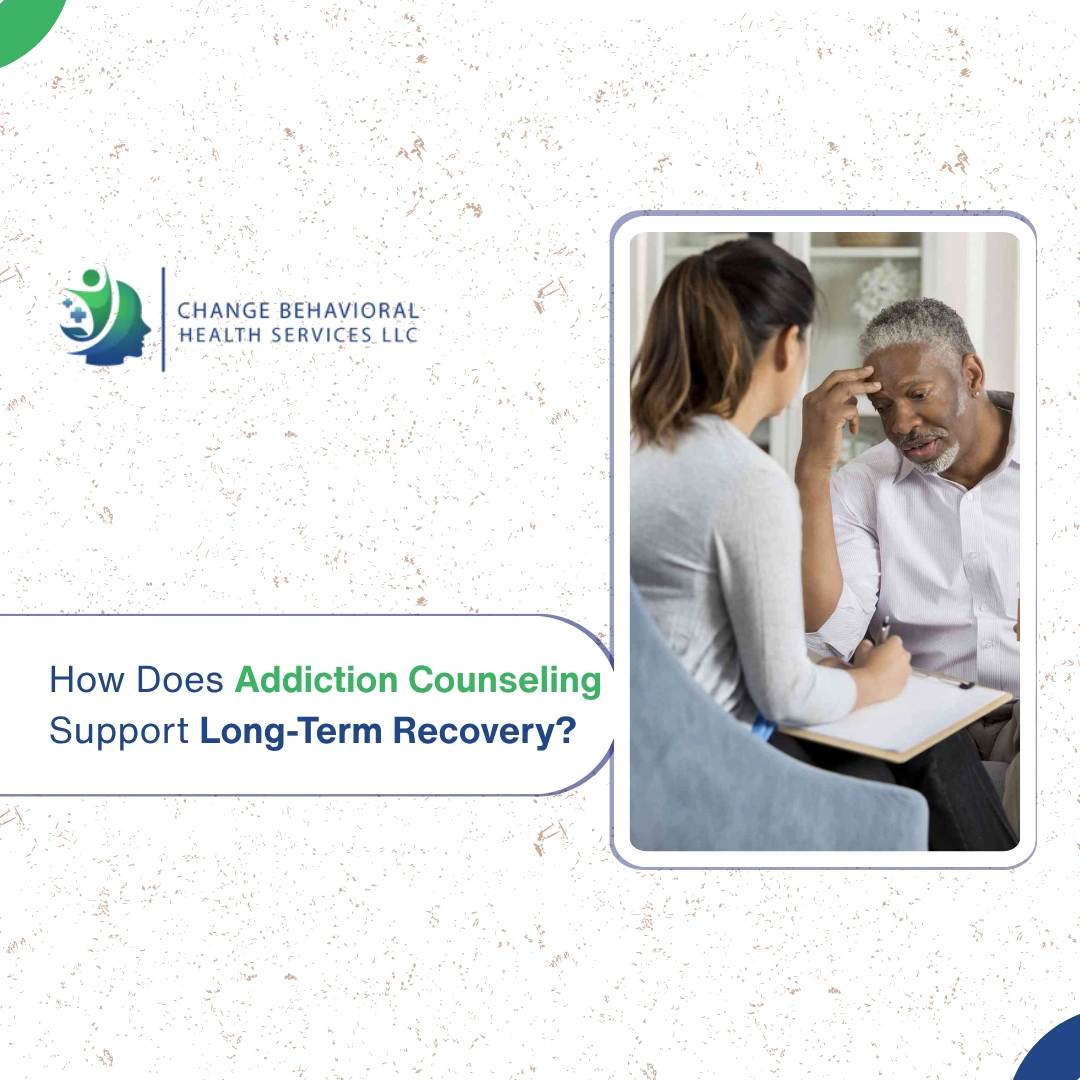
Addiction counseling is a critical component in the development of the skills, knowledge, and support that make long-term recovery more sustainable. It offers a consistent, professional partnership that seeks to explore the source of substance use, develop practical tools, and create a life worth living.
What Addiction Counseling Actually Involves
Addiction counseling is a partnership between a skilled counselor and the person wanting change. This isn’t about lectures or judging. Instead, it provides a safe space to understand why substance use started, what perpetuates it, and what a healthier life can look like.
Sessions might be individual, group, or family. Often they mix processing experiences with systematic skill building. Good counselors meet individuals where they are. Whether someone is just starting to think about change, actively working on abstinence or decreased use, or figuring out how to live life after treatment. The work is person-centered: goals are set by the individual’s values, circumstances, and selected recovery route.
Counseling is complete. It explores thoughts, feelings, habits, relationships, trauma history, mental health, and life difficulties. This comprehensive strategy helps people move beyond just ending usage to gaining stability, purpose, and connection.
Building Motivation and Readiness for Change
Counseling can be very useful for people to work through conflicted feelings about change. Ambivalence is a normal and common experience. One part of you might want to quit or cut back, but another part might be attached to that substance or not know what life is like without it.
Motivational techniques allow people to consider their own reasons for change, rather than being pushed into it. Counselors use open-ended questions, reflective listening, and affirmation to draw out a person’s own motivation. Instead, it builds internal commitment over time rather than external pressure. Inner-directed motivation is more likely to last longer and to produce more consistent effort.
This approach also builds self-efficacy, the belief that you can change. We celebrate small wins, and we build on them. This provides us with a reservoir of confidence we can draw on in more difficult times.
Developing Practical Coping Skills and Relapse Prevention Tools
Addiction often serves a purpose, even if it is costly. It can relieve stress temporarily, numb painful feelings, fill social voids, or give a sense of control. Counseling helps people recognize these functions and develop healthier alternatives.
Cognitive-behavioral approaches are especially useful here. People learn to see the links between situations, thoughts, feelings, and the urge to use. They learn to recognize high-risk situations, challenge unhelpful thoughts, and choose different responses. Skills may include:
- Knowledge of own triggers (people, places, feelings, time of day)
- Specific techniques to deal with cravings
- Managing stress, anger, loneliness, or boredom without substances
- Better communication and problem-solving
- Creating daily routines and healthy structure
A core part of this work is relapse prevention planning. Counselor and client collaborate to identify warning signs, step-by-step coping methods, and people to contact for support. You don’t have to be perfect. It is preparation so that a slip is not necessarily a full return to old patterns. One of the most protective skills counseling can teach is to learn to see setbacks as information, not failure.
Addressing Underlying Issues and Co-Occurring Challenges
Substance use rarely happens in a vacuum. Often, it involves trauma, anxiety, despair, unresolved sorrow, marital problems, or things from the past that made us feel helpless. Counseling offers a safe environment to examine these relationships.
Trauma-informed methods acknowledge that many individuals use substances to manage distressing events. This therapy encourages healing, emotional regulation, and a higher sense of safety in the body and in relationships, not only with substances. If mental health symptoms are also present, therapy can be integrated with other care to address both issues.
This deeper work is what helps to take away the emotional motivations that can otherwise pull a person back into previous behaviors. It also builds a stronger identity than “someone who uses.”
Strengthening Relationships and Support Networks
The addiction impacts families and personal connections. Counseling could involve family meetings or coaching on how to communicate more effectively, establish appropriate boundaries, and regain trust. When family members understand the recovery process and how to support someone in recovery, the home environment is more stable and less likely to return to old habits.
Counselors also assist people in building larger support networks for recovery. This can involve engagement with peer recovery communities, meaningful activities, employment resources, or other community supports. Isolation is a proven danger factor; connection protects. With counseling, people can learn and practice the social and relational skills required to create and sustain healthier relationships.
Supporting Recovery as a Long-Term Process
Recovery is better viewed as an ongoing process, not an event. Many people benefit from ongoing care following a time of intensive treatment. Counseling offers that continuity. It provides a stable connection where progress may be assessed, new difficulties confronted, and skills honed as life circumstances change.
A recovery-focused strategy does not see a return to use as a personal failure but rather a warning that the plan needs adjustment. Counselors assist clients in learning from such experiences, building on what is working, and reconnecting with their goals. Such encouragement helps to decrease guilt and keeps the door open for continued progress.
Over time, therapy moves from crisis management and skill acquisition to maintenance, purpose, and quality of life. People struggle to establish a life that includes health, meaningful activity, connection, and a sense of home things that research links to sustainable recovery consistently.
Practical Tips for Getting the Most from Addiction Counseling
- Be as honest as possible, even on hard topics. Trust is not built in a day.
- Talk about your real goals, whether that means abstinence, cutting back on your usage, or other improvements that are important to you.
- Apply skills learned in between sessions. Real life is where change starts.
- Talk about setbacks promptly rather than waiting until they grow.
- If it feels safe and it seems helpful, reach out to supportive relatives or friends.
- Combine counseling with other helpful elements such as medication, peer support, medical care, or lifestyle modifications, as appropriate.
- Keep your interest alive when you’re not feeling motivated. Consistency is more important than intensity.
How Change Behavioral Health Services Can Help
We provide compassionate, person-centered care to help adults in recovery from addiction and in managing mental health challenges. We provide counseling and psychoeducation as part of the overall menu of services, which may include psychiatric evaluation and medication management. Care is provided via telehealth and at select locations in the Washington, D.C., Maryland, and Virginia area.
We understand that everyone’s journey is different. We provide individualized support to help people develop the insight, skills, and stability to achieve lasting change. Reaching out is a powerful first step if you or a loved one are ready to learn more about how counseling can help in recovery.
Moving Forward with Support
Addiction counseling does not promise a quick fix. It offers something more reliable: a professional partnership that helps people understand themselves, develop practical tools, heal underlying wounds, and construct a life that promotes continuous recovery. Counseling, together with personal effort and other supports, considerably enhances the foundation for long-term well-being.
Things can get back to normal. With the correct guidance and regular effort, many people move beyond just getting by to building a life that they respect and defend.
If this resonates with you, consider speaking with a qualified provider who understands addiction and recovery. Change Behavioral Health Services offers professional support for individuals seeking help with substance use and behavioral health challenges. Help is out there, and change can start with a simple conversation.
FAQs
Is addiction counseling only for people who want complete abstinence?
No. Effective counseling is recovery-oriented and collaborates with goals chosen by the individual. Some people want to abstain; others want to cut down or regulate their use. The focus is on supporting the individual’s chosen path and increasing general well-being, while minimizing harm.
What if I have a setback while in counseling?
Setbacks are a typical part of healing. A skilled counselor considers them as opportunities to learn and change the strategy, rather than a failure. The connection is still supportive, and the work continues with a better sense of what’s needed next.
Do I need to be completely ready to change before starting counseling?
No. Many people start while they are ambivalent or feeling unsure. Motivational techniques are designed to help you explore conflicting feelings and improve preparation at a rate that is manageable to you.